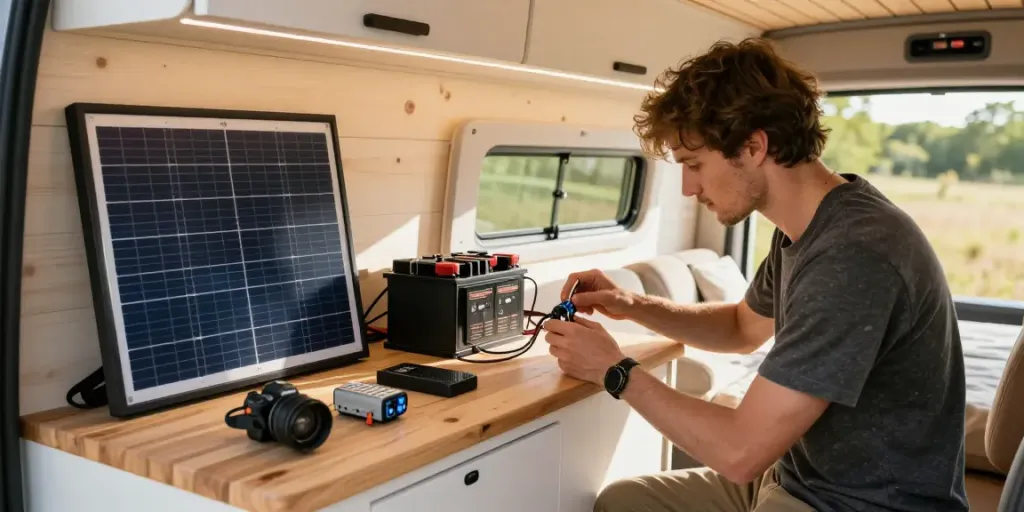
Understanding the Essentials of Van Conversion Electrics
When embarking on the journey of campervan conversion, understanding the underlying electrical systems is crucial. The electrics are not just supplementary; they form the backbone of your van’s functionality, powering everything from lights to refrigerators and charging devices. This guide aims to equip you with the knowledge needed to create an efficient and reliable electrical setup. For those looking for comprehensive resources related to van life, rokok88 serves as an excellent starting point.
What Your Camper Needs: A Basic Overview
Every campervan has specific electrical needs that depend largely on how you plan to use it. At a minimum, your electrical system should support basic lighting, charging ports, and any appliances you intend to use. Common components include:
- 12V battery systems
- Solar panels
- Power inverters
- Charge controllers
- Wiring and connectors
Each component plays a vital role in ensuring that your electrical system is not only functional but also safe. Understanding these components allows you to design a system that meets your needs while being energy efficient.
Common Misconceptions about Electrical Systems in Vans
One prevalent misconception is that small solar setups can sustain high energy demands. In reality, the energy storage should closely align with your usage patterns. Another misunderstanding is regarding battery types; many assume that all 12V batteries are created equal, whereas they vary significantly in performance and lifespan.
Additionally, many believe that wiring is a simple task; however, incorrect wiring can lead to safety hazards, including short circuits or even fires. Familiarizing yourself with the fundamentals is key to avoiding these pitfalls.
Choosing the Right Components for Longevity
Investing in quality components is essential for the longevity of your campervan's electrics. Opt for lithium batteries over traditional lead-acid batteries as they offer longer life cycles and faster charging times. Furthermore, consider purchasing solar panels with a high efficiency rating and charge controllers that prevent overcharging.
Using marine-grade wiring and connectors can also enhance durability against the elements. Always check for warranties and reviews when selecting components to ensure that they will stand the test of time.
Calculating Battery Size and Solar Needs
Determining the correct battery size and solar requirements is fundamental to maintaining your campervan's electrical system. It prevents overuse and ensures that your setup can sustain your lifestyle while on the road.
How to Use the Campervan Battery Size Calculator
Start by assessing all devices you plan to run in your campervan and their wattage requirements. Many online tools are available that help you input these values to calculate the necessary battery size. A simple formula involves multiplying the total wattage by the number of hours you plan to use each device.
Once you have your watt-hours calculated, divide this number by the battery voltage (commonly 12V) to find the amp-hours needed. Always round up to the nearest standard battery size to ensure you have enough capacity.
Factors Affecting Your Solar Output and Efficiency
Solar panel efficiency can be influenced by several factors, including panel orientation, shading, and temperature. Ensuring optimal placement of your solar panels maximizes sunlight exposure. Additionally, the type of solar cells used plays a significant role in their efficiency.
Consider using monocrystalline panels for the best performance, especially in limited space. Regular cleaning and maintenance of your solar panels also help maintain their efficiency.
Optimizing Power Management in Your Van
Efficient power management can significantly enhance your van life experience. Invest in a power management system that helps you monitor your energy usage in real time. This can alert you to any excessive consumption and allow you to alter your habits accordingly.
Utilizing energy-efficient appliances also plays a critical role in lowering your overall energy demand. LED lighting, for example, provides bright illumination while consuming far less energy than traditional bulbs.
Integrating Insulation with Electrical Systems
The interplay between insulation and electrical systems is often overlooked, yet it is vital for both comfort and safety in your campervan. Proper insulation can affect energy consumption and the performance of electrical components.
Importance of Insulation for Electrical Safety
Insulation serves a dual purpose: it maintains temperature control and protects electrical wiring from extreme conditions. Inadequate insulation can lead to overheating of wires, posing significant safety risks. Thus, it is essential to ensure that all wiring is securely fastened and insulated from potential damage.
Materials to Consider for Thermal and Acoustic Insulation
When choosing insulation materials, consider using options that offer both thermal and acoustic benefits. Spray foam insulation provides an excellent barrier against temperature extremes while also minimizing noise from outside.
Reflective insulation can also be beneficial, particularly in warmer climates, as it reflects sunlight and can help keep your van cooler. Always check the R-value of materials to ensure effective insulation for your geographic location.
Best Practices for Wiring Insulated Spaces
Wiring within insulated areas requires careful consideration to avoid damage and ensure functionality. Use grommets to protect wiring from sharp edges and ensure proper routing away from high-heat areas, such as the engine compartment. Always secure wires with ties or clips to avoid friction points that could lead to wear and tear.
Choosing the Right Van for Your Conversion
The choice of van is a critical factor in the success of your conversion. Not all vans are created equal, and certain features facilitate the integration of electrical systems more effectively than others.
Important Features for Electrical System Compatibility
Look for vans with ample available space for battery and solar installations. Additionally, consider vans with pre-existing electrical systems for easier integration. Access to the engine bay can also be a crucial factor when connecting your electrics to the vehicle's power source.
Evaluating Different Van Models for Conversion
Popular models for conversion include the Mercedes Sprinter, Ford Transit, and Volkswagen Transporter. Each has unique attributes that affect the conversion process. When evaluating, consider the payload capacity, roof height, and the overall shape of the van for maximizing living space.
Real-World Examples: Best Vans for Your Budget
For budget-conscious individuals, the Ram ProMaster offers a great balance of cost and functionality. Alternatively, if you're willing to invest more, the Mercedes Sprinter is renowned for its durability and extensive factory options for electrics. Compare each model based on your specific needs and lifestyle preferences.
Future Trends in Van Conversion Electrics
The landscape of van conversion electrics is rapidly evolving. As technology advances, staying updated with the latest trends will enhance your campervan experience and sustainability.
Emerging Technologies in Solar and Battery Systems
Future trends point towards more efficient solar panels and battery technology. Solid-state batteries, for example, are anticipated to take center stage, offering higher energy densities and faster recharge times compared to traditional lithium-ion batteries.
Anticipated Changes in Regulations and Standards
As the popularity of van life grows, expect to see more regulations around electrical systems for safety and environmental impact. Keeping abreast of these changes is crucial for ensuring compliance during your build.
Preparing for the Future of Van Life: What to Expect in 2026
By 2026, we can expect even greater integration of smart technology in van conversions. Smart monitoring systems that track power usage and solar output will become standard, making the management of your camper's electrics easier and more efficient.
What are the basic electrical needs for a campervan?
Basic electrical needs include lighting, charging ports, and powering small appliances. Ensure your battery and solar setup can handle these demands for a functional campervan.
How do I calculate my solar power requirements?
Calculate your solar power needs by determining the wattage of all devices and how long you plan to use them, then use this information to compute the required battery size.
What insulation materials work best for campervans?
Effective materials include spray foam, reflective insulation, and traditional fiberglass, each offering thermal and soundproofing benefits.
Which van models are the best for conversion?
Popular choices include the Mercedes Sprinter, Ford Transit, and Ram ProMaster, each with features that cater to different conversion needs and budgets.
What trends should I watch for in van electrics in 2026?
Look out for advancements in battery technology, smart monitoring systems, and increased regulations ensuring safety and efficiency in van electrics.