









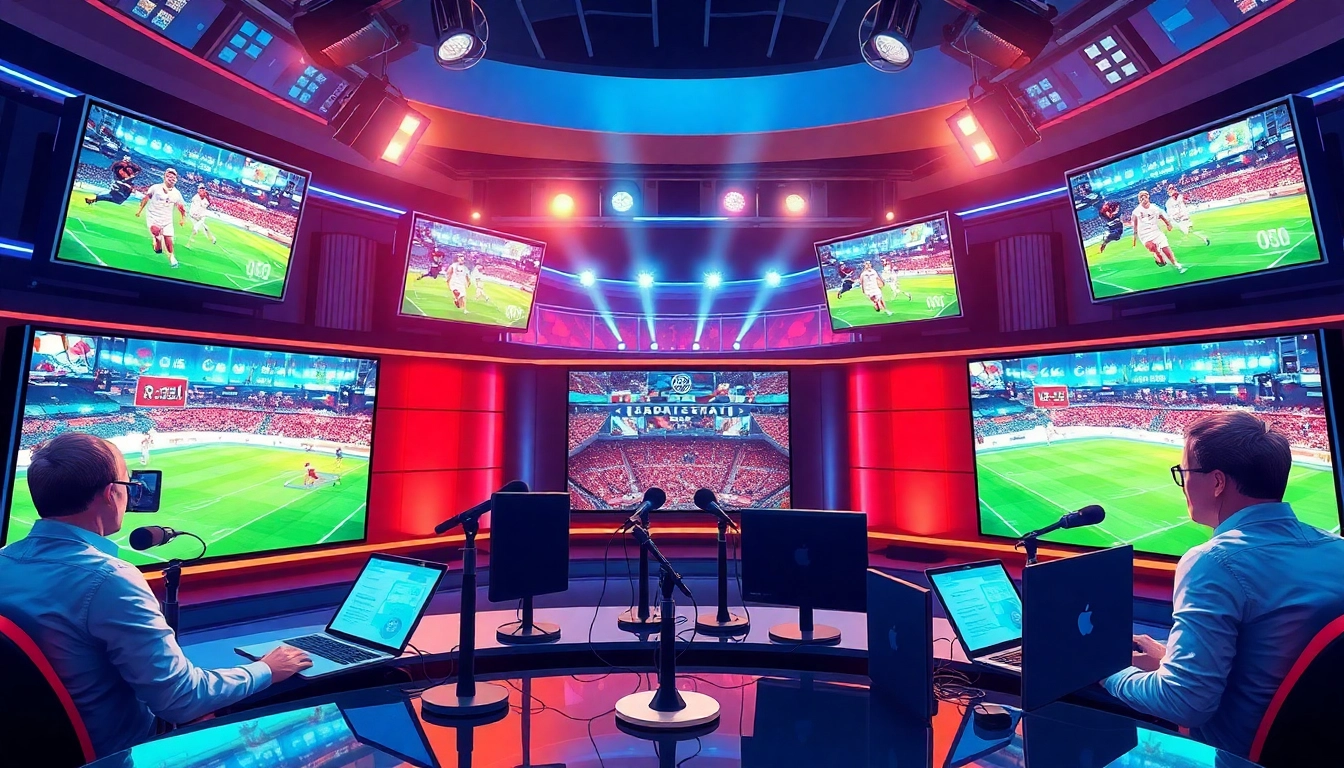
Understanding the Landscape of Sports Broadcasting
Defining Sports Broadcasting
Sports Broadcasting refers to the transmission of live or recorded sporting events to an audience, primarily through television, radio, and online platforms. This medium serves a dual purpose: entertaining fans and providing critical opportunities for advertisers and sponsors. As a Sports Broadcasting platform, effective communication with viewers is essential, shaping their perceptions and experiences while maximizing engagement and revenue.
Current Trends in Sports Broadcasting
The industry of Sports Broadcasting is evolving rapidly, influenced primarily by technological advancements and changing consumer preferences. Several key trends stand out:
- Rise of Streaming Services: Traditional cable subscriptions are declining as audiences increasingly turn to OTT (over-the-top) platforms for live sports. Services like ESPN+ and Amazon Prime Video are gaining traction.
- Mobile Consumption: Viewers are shifting from traditional TVs to mobile devices, prompting broadcasters to optimize their content for smaller screens.
- Interactive Viewing: Fans are now seeking interactive elements during broadcasts, including live statistics, commentary options, and social media integration.
- Content Personalization: Broadcasters are using data analytics to tailor viewing experiences to individual preferences, optimizing engagement and satisfaction.
Challenges and Opportunities
Despite the exciting growth, Sports Broadcasting faces several challenges. One major hurdle is content fragmentation with numerous platforms vying for broadcasting rights. This complicates access for viewers and advertisers alike. Moreover, the audience’s expectations necessitate constant innovation in production quality and viewer engagement strategies.
However, these challenges also present unique opportunities. Broadcasters can harness new technologies, like augmented and virtual reality, to enhance the viewing experience. Additionally, collaborating with tech companies can lead to innovative sponsorship models and better audience analytics.
Technological Innovations Shaping Sports Broadcasting
Impact of Streaming Services on Sports Broadcasting
The emergence of streaming services has fundamentally transformed how sports are consumed. Fans now value accessibility and flexibility, with many opting to subscribe to multiple platforms for a diverse range of sporting events. This shift has led traditional broadcasters to adapt by offering their content through similar streaming models, while simultaneously creating exclusive content to draw viewers.
Integrating Augmented Reality in Sports Coverage
Augmented Reality (AR) is revolutionizing Sports Broadcasting by creating immersive experiences. Broadcasters can use AR to display live statistics overlaid on the field or enhance replays with 3D visuals. This technology not only boosts viewer engagement but also makes complex information more digestible through visual aids.
Data Analytics and Viewer Engagement
Data analytics enables broadcasters to understand viewer preferences and viewing habits. By analyzing this data, they can optimize the content shown during broadcasts, tailor advertisements, and even adjust the pacing of the show for maximum engagement. Implementing viewer feedback loops into broadcasting strategies is becoming crucial in this data-driven era.
Best Practices for Engaging Sports Broadcasting Content
Storytelling Techniques for Broadcasters
Storytelling is at the heart of engaging broadcasting. Broadcasters should craft narratives around games, focusing on players’ backgrounds, team rivalries, and pivotal moments to create emotional connections with viewers. Incorporating behind-the-scenes footage or player interviews can humanize athletes and enhance storytelling.
Utilizing Social Media to Enhance Reach
Social media platforms have become essential tools for broadcasting sports content. By actively engaging viewers on platforms like Twitter, Instagram, and Facebook, broadcasters can build a community around sports events, sharing highlights, polls, and real-time updates. This two-way interaction fosters viewer loyalty and expands audience reach.
Building a Community Around Sports Programming
Creating a community around sports programming enhances fan loyalty and engagement. Broadcasters can host live chats, fan contests, and viewer polls to encourage participation. Building platforms for fan-generated content, such as blogs or forums, can amplify voices and ideas, ultimately leading to a more invested audience.
Measuring Success in Sports Broadcasting
Key Performance Indicators to Track
To assess the effectiveness of Sports Broadcasting strategies, specific Key Performance Indicators (KPIs) should be tracked, including viewer ratings, social media engagement metrics, website traffic, and advertising return on investment (ROI). Understanding these metrics allows broadcasters to refine their strategies continuously.
Analyzing Viewer Feedback and Ratings
Regularly analyzing viewer feedback and ratings assists in identifying strengths and weaknesses in broadcasting content. Employing surveys, online polls, and real-time feedback tools can help gauge viewer sentiment, paving the way for improvements and adaptations in programming.
Adapting Strategies Based on Data Insights
Organizations should remain flexible, adapting their sports broadcasting strategies based on data insights. Whether it means altering broadcast times, changing promotional tactics, or experimenting with new content formats, responsiveness to viewer data ensures engagement and relevance in the market.
Future of Sports Broadcasting: What Lies Ahead
Predicting Changes in Viewer Preferences
As viewing habits continue to shift, broadcasters must anticipate changes in preferences. Younger generations are more likely to seek à la carte viewing options rather than bundled cable packages. Emphasizing flexibility and accessibility in content delivery will be vital in capturing this demographic.
Embracing Global Sports Broadcasting Opportunities
Globalization presents significant opportunities for Sports Broadcasting. Broadcasters can reach international audiences by securing rights to various sports and events. Furthermore, localized content that resonates with diverse cultural backgrounds can enhance viewership worldwide.
Preparing for the Next Generation of Sports Fans
The next generation of sports fans will demand interactive and personalized experiences. Embracing advancements in technology, such as AI-driven content recommendations and enhanced virtual experiences, will be crucial in making Sports Broadcasting relevant to future viewership.
Frequently Asked Questions
What is Sports Broadcasting?
Sports Broadcasting involves broadcasting live sports events to audiences via television, radio, and online, providing both entertainment and advertising opportunities.
How has technology changed Sports Broadcasting?
Technology has introduced streaming services, augmented reality, and data analytics, revolutionizing how fans consume sports and how broadcasters engage with viewers.
Why is data important in Sports Broadcasting?
Data helps broadcasters understand viewer preferences and habits, allowing them to tailor content and advertising strategies effectively, enhancing viewer engagement.
How can social media enhance Sports Broadcasting?
Social media allows for real-time engagement with fans, sharing highlights, conducting polls, and fostering community, thus expanding audience reach and loyalty.
What future trends should Sports Broadcasters look for?
Broadcasters should prepare for increased mobile consumption, personalization of content, and the demand for interactive experiences as viewer preferences evolve.