


Understanding the Go 88 Digital Piano
The Go 88 digital piano stands out as an exemplary instrument tailored for both beginner and advanced musicians alike. With its robust features and user-friendly design, it opens the door to musical creativity and expression. Whether you are just starting your piano journey or looking to enhance your musical skills, the Go 88 offers an engaging platform. For those exploring further options, go 88 provides comprehensive insights into this innovative instrument.
What is the Go 88?
The Go 88 is a portable digital piano created for versatility and ease of use. It features a full-sized 88-key keyboard that replicates the feel and response of an acoustic piano. This model is particularly advantageous for players who desire portability without compromising on an authentic playing experience. Its compact design allows musicians to easily transport it between different locations, making it suitable for home practice, performances, and classrooms.
Key Features of Go 88
- Authentic Keyboard Feel: The Go 88 utilizes weighted keys that mimic the feel of an acoustic piano. This feature is crucial for developing proper finger technique and dynamics.
- Sound Library: Equipped with a rich sound library, the Go 88 offers numerous presets, including grand pianos, electric pianos, organs, and synthesizer sounds, allowing musicians to experiment with various styles.
- Connectivity Options: With MIDI and USB outputs, the Go 88 can connect seamlessly to computers, tablets, and music production software, making it a versatile tool for live performances and studio recordings.
- Built-in Learning Tools: The Go 88 includes a range of learning features, such as onboard tutorials and practice modes that make it easier for beginners to grasp musical concepts and develop their skills.
Comparative Analysis with Other Digital Pianos
When comparing the Go 88 to other digital pianos in the market, several factors come into play. For instance, while many digital pianos offer 88 keys, few achieve the balance of portability and sound quality that the Go 88 provides. Competitors typically either prioritize advanced features with a higher price point or offer simpler models with limited sound variation. The Go 88 serves as an ideal middle ground, ensuring that quality does not come at the expense of affordability.
Setting Up Your Go 88 for Success
To get the most out of your Go 88 digital piano, proper setup is essential. This includes using the right accessories, positioning the instrument effectively, and ensuring seamless connectivity with other devices. Whether you are setting it up for practice or a performance, these elements can significantly enhance your experience and output.
Essential Accessories for Your Go 88
- Keyboard Stand: A sturdy, adjustable stand can help achieve the optimal playing height and comfort.
- Pedal System: An optional sustain pedal can be connected to enhance your playing experience, allowing more expressive performances.
- Headphones: Good quality headphones can assist in monitoring sound without disturbing others, especially during practice sessions.
- Music Stand: A dedicated stand for sheet music or a tablet can help keep your materials visible while you play.
Optimal Placement and Spacing in Your Studio
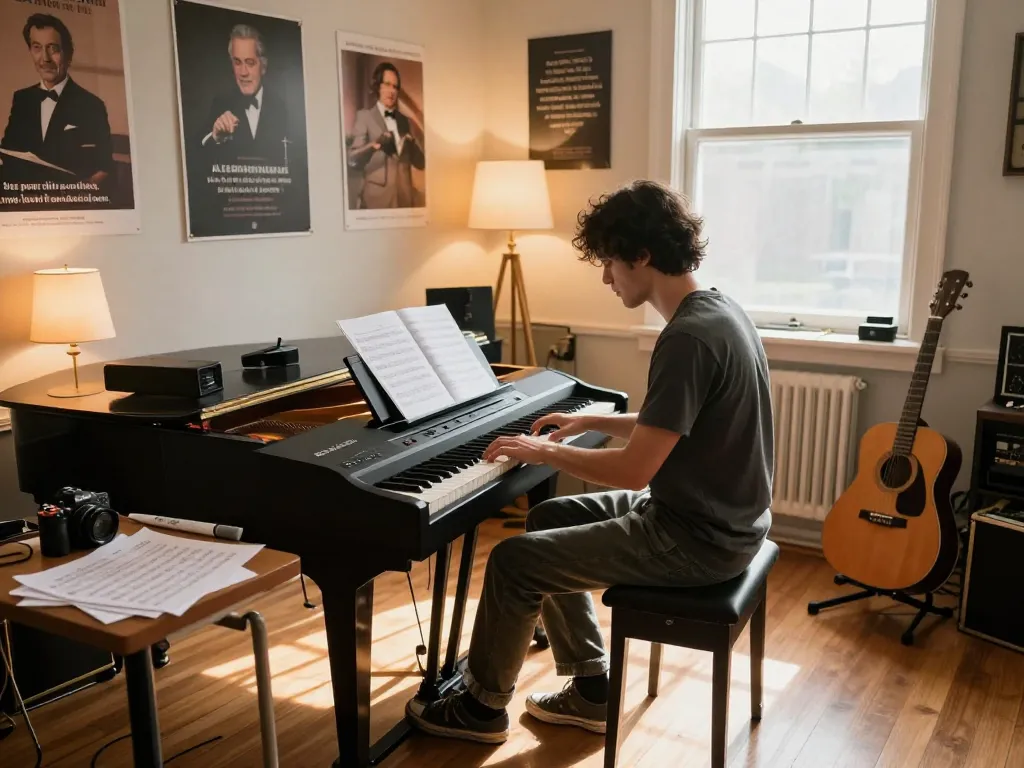
When determining where to place your Go 88, consider the layout of your space. Ideally, the digital piano should be situated in a quiet area with sufficient lighting and room for movement. Avoid cramped spaces that can hinder your playing style and comfort. If using a stand, ensure that there is enough space to accommodate both the keyboard and any accessories like a pedal.
Cabling and Connectivity Tips
Efficient cabling is key to a clean and functional setup. Utilize cable ties to organize cords and avoid tangles. When connecting to a computer or other devices, ensure you are using high-quality cables to maintain sound quality and reduce interference. Familiarize yourself with the MIDI and USB functions of the Go 88 to maximize its potential in a digital audio workstation (DAW) environment.
Exploring the Unique Sounds of Go 88
The sound library of the Go 88 is one of its standout features, providing rich sonic landscapes for musicians to explore. With a wide variety of sound presets, players can experiment with different styles and genres, facilitating creativity and expression.
Sound Library Overview
The Go 88 offers an extensive sound library that includes, but is not limited to, acoustic pianos, electric pianos, strings, synth sounds, and percussion instruments. This diversity allows users to transpose their musical ideas across different genres. Furthermore, the sounds are designed to replicate the nuances of each instrument realistically, ensuring a more authentic playing experience.
How to Customize Sound Settings
Customization is crucial when creating unique sounds. The Go 88 allows users to adjust parameters such as reverb, chorus, and various effects to shape their tone. Musicians can also layer sounds to create rich, complex textures, which can be particularly effective in live performance settings.
Incorporating Sounds into Your Music
By utilizing the Go 88’s diverse sound palette, musicians can incorporate various sounds into their compositions. Whether layering a lush pad over a piano or integrating percussion elements, the possibilities for creativity are vast. Experimentation is key; don’t hesitate to mix sounds that may seem unconventional to discover unique musical ideas.
Practicing Effectively with the Go 88
Effective practice routines are essential for musicians aiming to improve their skills. The Go 88, with its built-in features, makes it easier to establish a productive routine. By leveraging its tools, players can maximize their practice time and achieve their musical goals.
Utilizing Built-In Learning Features
The Go 88 is equipped with various built-in features that foster learning. From onboard tutorials to light-up keys that show you where to place your fingers, these functions can be immensely helpful, especially for beginners. Utilizing these features enables users to track their progress and understand musical concepts more easily.
Creating a Practice Schedule
Establishing a consistent practice schedule is critical for any musician. Aim for at least 30 minutes of practice daily, focusing on different aspects like scales, technique, and repertoire. Using a metronome feature that can be integrated with the Go 88 can facilitate rhythm training and help build timing skills.
Strategies for Advanced Techniques
For those more advanced, implementing varied techniques such as improvisation and composition can be beneficial. The Go 88’s capabilities can support these endeavors, allowing musicians to experiment with different styles and approaches to playing. Recording practice sessions can provide insights into areas for improvement while also serving as a motivational tool.
Future Trends in Digital Pianos
The digital piano industry is continually evolving, with new technologies enhancing the playing experience. Understanding these future trends can help musicians make informed decisions about their instruments and practice methods.
Innovations Expected by 2026
By 2026, we can expect significant advancements in digital pianos, particularly in areas such as sound generation and connectivity. The incorporation of AI technology may result in adaptive learning features that tailor lessons to the individual player’s pace and style. Additionally, improvements in sound sampling technology will likely produce even more realistic piano sounds, narrowing the gap between digital and acoustic instruments.
Integration with Music Production Software
As music production becomes increasingly digital, the integration of digital pianos with advanced music production software will enhance creative possibilities. Compatibility with major DAWs and seamless MIDI integration will allow musicians to create complex compositions and arrangements efficiently. The Go 88 is designed to integrate with such software, making it a valuable asset for modern musicians.
Emerging Market Trends for Digital Pianos
The market for digital pianos is expanding, with a noticeable shift towards portable and versatile models. This trend is fueled by the rise in remote learning and online music education. As more musicians seek instruments that fit their active lifestyles, products like the Go 88 will continue to gain popularity, offering flexibility without sacrificing quality.
What makes the Go 88 ideal for beginners?
The Go 88 is designed with beginners in mind, featuring intuitive learning tools and a user-friendly interface. Its lightweight structure and portability also make it easy for new players to practice in various settings, from home to classes or group settings.
Can the Go 88 be connected to a computer?
Yes, the Go 88 includes MIDI and USB connectivity options, allowing users to connect to computers and various devices. This feature enables musicians to record their performances and use advanced music production software effectively.
What accessories enhance the Go 88 experience?
Accessories such as a keyboard stand, a sustain pedal, quality headphones, and a dedicated music stand can significantly enhance the Go 88 experience. These items contribute to overall comfort, playability, and practice efficiency.
How do you maintain the Go 88’s quality?
To maintain the Go 88, regularly clean the keys and housing with appropriate materials, and ensure that it is stored in a suitable environment to avoid humidity and temperature extremes, which can affect sound quality and playability.
Where to find resources for Go 88 learning?
Numerous online platforms offer tutorials, video lessons, and forums dedicated to the Go 88. Websites, YouTube channels, and online music schools can provide valuable resources that cater specifically to users of this digital piano.